Ready to Start Learning?
Join thousands of students already learning with us. Get instant access to all course materials, lifetime updates, and a certificate upon completion.
0 free videos available
Preview course lessons and materials
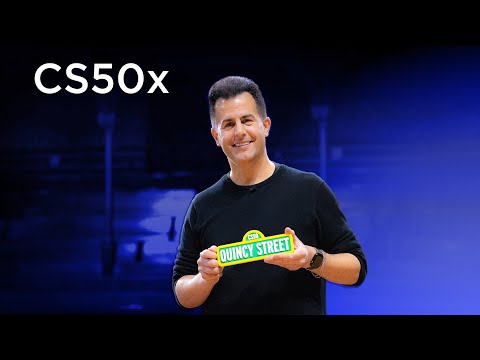
- Introduction: The course is CS50, Harvard University's introduction to computer science and programming, taught by David Malan. - Target Audience: Suitable for both majors and non-majors, including those less or more comfortable with technology. -...
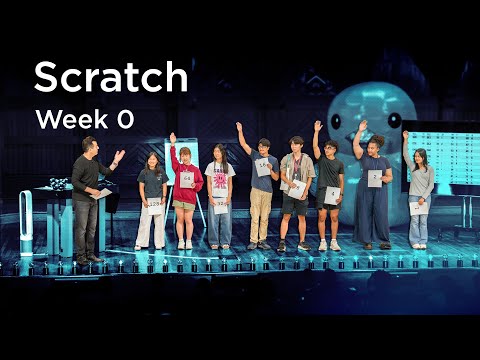
Final Summary This comprehensive summary encapsulates the key themes and concepts covered in CS50, Harvard's introductory computer science course taught by David Malan. The course emphasizes foundational programming skills and computational thinkin...
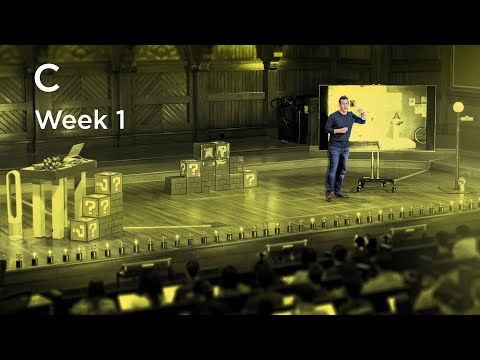
Comprehensive Final Summary This document provides a comprehensive overview of the foundational concepts and practices introduced in CS50’s Week 1, focusing on transitioning from Scratch to C programming. The material emphasizes gradual learning, p...
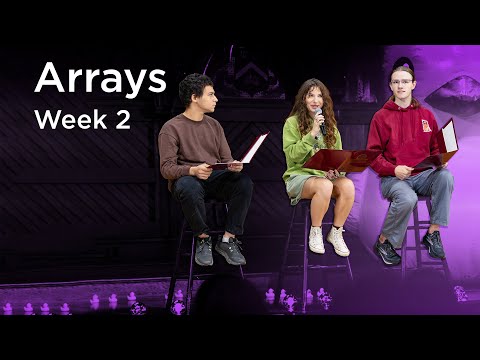
This document provides a comprehensive overview of key programming concepts, problem-solving strategies, and foundational computer science topics explored in a CS50 lecture. The session begins with a playful reading demonstration of texts at differen...
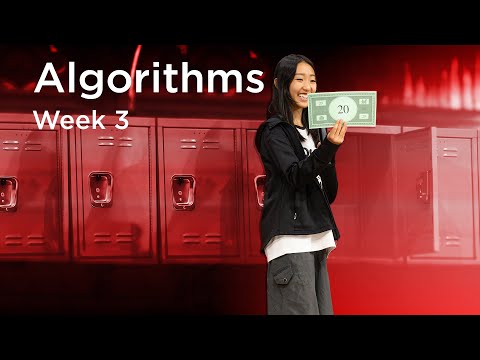
Comprehensive Final Summary This week in CS50, Week 3, the focus is on sorting and searching algorithms, providing a deep dive into their mechanisms, efficiencies, and implementations. An algorithm is essentially a set of step-by-step instructions...
Comprehensive Final Summary In CS50's Week 4, the focus is on understanding the inner workings of computers, particularly memory, and how data is stored and manipulated in various forms. The week begins with an exploration of how information is sto...
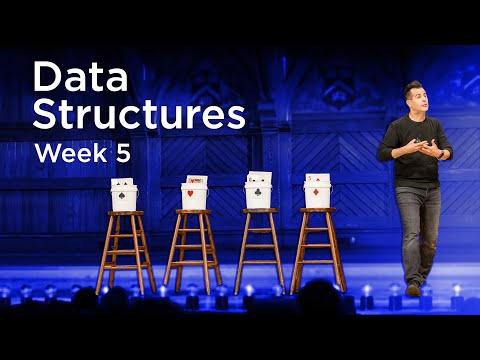
Final Comprehensive Summary This comprehensive summary consolidates the key concepts and ideas discussed across various sections, focusing on data structures, memory management, and transitioning from C to Python. --- 1. Week Five Overview: Tran...
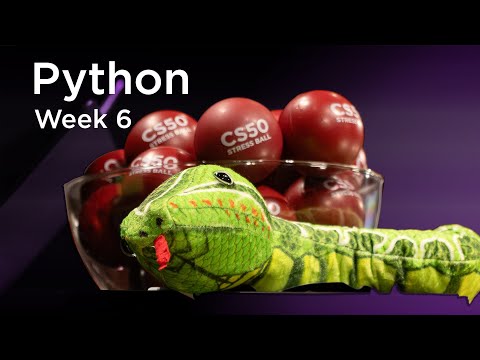
Comprehensive Final Summary This document provides a detailed exploration of transitioning from C to Python, emphasizing the differences and similarities between the two programming languages. The transition occurs in week six of the course, with P...
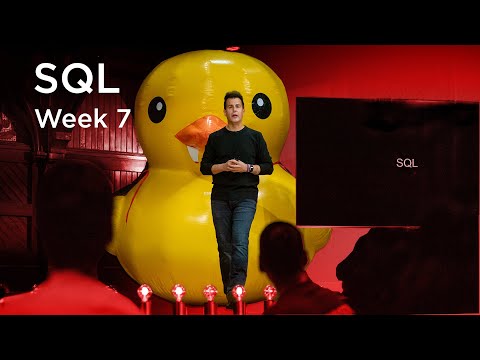
Final Comprehensive Summary This comprehensive review of CS50 Week 7 focuses on SQL (Structured Query Language), a declarative programming language designed to simplify problem-solving compared to procedural languages like C or Python. The course e...
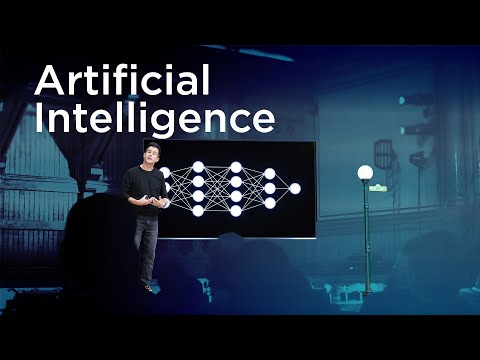
The CS50 lecture on artificial intelligence (AI) provides a comprehensive exploration of AI concepts, tools, and applications, blending theoretical insights with practical demonstrations. The session begins with an engaging introduction to the "rubbe...
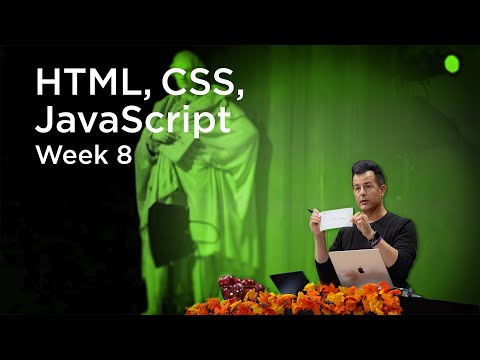
Comprehensive Final Summary This document provides an extensive overview of web development, transitioning from command-line programming to the creation of dynamic web and mobile applications. The journey begins with a foundational understanding of...
This comprehensive summary encapsulates the key themes and learning objectives from CS50’s Week 9, which focuses on web programming and synthesizes the foundational programming concepts covered over the past 10 weeks. The week emphasizes applying the...
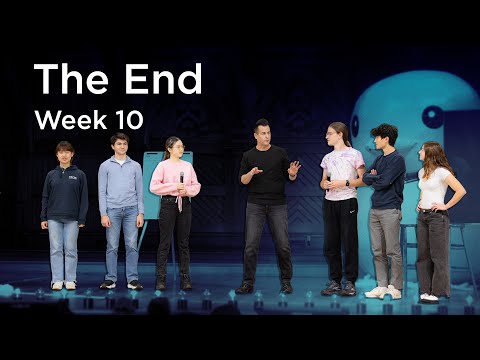
Final Comprehensive Summary This document encapsulates the culmination of CS50 Week 10, marking the end of an intensive journey in computer science education. The course concludes with a cherished tradition: cake outside, reminiscent of Week 0, sym...
Course Description: CS50x 2026 Lectures
CS50x 2026 is Harvard University's renowned introductory course to the intellectual enterprises of computer science and the art of programming, designed for both majors and non-majors. Led by Professor David Malan, this course aims to equip students with the foundational skills necessary to think methodically, communicate precisely, and solve problems efficiently through coding. Whether you're new to technology or already comfortable with it, CS50x offers a welcoming and supportive environment to explore the world of computer science. The course is freely accessible via platforms such as edX, YouTube, Apple TV, Google TV, and CS50's own website, making it available to learners worldwide. By the end of the course, students will have developed the ability to design and implement their own final project, showcasing their newfound programming skills to the world.
The course begins with Scratch, a user-friendly graphical programming language that introduces students to coding concepts by allowing them to drag and drop puzzle-like pieces that only fit together logically. As students progress, they transition to C, a traditional keyboard-based language that provides insight into how computers operate "under the hood." The curriculum then moves on to Python, a versatile modern language used for data analysis, automation, and web application development, and SQL, which enables students to manage and query large datasets in databases. Toward the end of the course, students delve into web development using HTML, CSS, and JavaScript, gaining the skills to create both web and mobile applications. Throughout the course, students are supported by a vibrant community and innovative tools, such as a virtual "rubber duck" powered by AI, to help troubleshoot and debug their code.
In addition to technical skills, CS50x emphasizes problem-solving and critical thinking by exploring real-world applications of programming. For example, students analyze reading levels of texts using mathematical functions, break down strings to understand how computers process text, and explore cryptography to secure communications. Debugging is another key focus, with lessons on identifying and resolving bugs inspired by historical anecdotes, such as Grace Hopper's discovery of an actual moth causing a system error. By combining theoretical knowledge with hands-on practice, CS50x empowers students to tackle diverse challenges, from simple algorithms to complex software development. This comprehensive approach ensures that students not only learn how to program but also gain the confidence and creativity to innovate in any field they choose.

Understand the fundamentals of programming using graphical and traditional languages Learn how to analyze and determine reading levels of text using mathematical functions Master the use of strings and header files in C for text representation and manipulation Discover techniques for debugging code, including the use of print statements and debuggers Apply cryptographic concepts to encrypt and decrypt secure messages Explore modular programming by creating and utilizing helper functions Identify and resolve syntax and logical errors in code through systematic debugging approaches
Course Instructor
An advanced AI teacher with knowledge spanning all fields. Designed to explain, guide, and solve across technology, science, business, and beyond. Delivers clear, accurate insights tailored to every learner, ensuring a reliable and intelligent learning experience. Always evolving. Always teaching. 🧠✨
Join thousands of students already learning with us. Get instant access to all course materials, lifetime updates, and a certificate upon completion.