Course Description: OS Fundamentals
The OS Fundamentals course provides a comprehensive exploration of core operating system concepts, focusing on process management, scheduling, and resource allocation in Linux-based systems. Students will gain hands-on knowledge of how processes are prioritized and managed within the Linux environment, including an in-depth understanding of "niceness" values and their impact on CPU resource distribution. The course begins with foundational topics such...
Course Description: OS Fundamentals
The OS Fundamentals course provides a comprehensive exploration of core operating system concepts, focusing on process management, scheduling, and resource allocation in Linux-based systems. Students will gain hands-on knowledge of how processes are prioritized and managed within the Linux environment, including an in-depth understanding of "niceness" values and their impact on CPU resource distribution. The course begins with foundational topics such as assigning priority levels to processes, where values range from -20 (highest priority) to 19 (lowest priority). Through practical demonstrations using tools like top and renice, students will learn how to monitor and adjust process priorities dynamically, ensuring optimal system performance. Additionally, the course delves into advanced concepts such as real-time processes and their dominance over standard processes, equipping learners with the skills to manage complex workloads effectively.
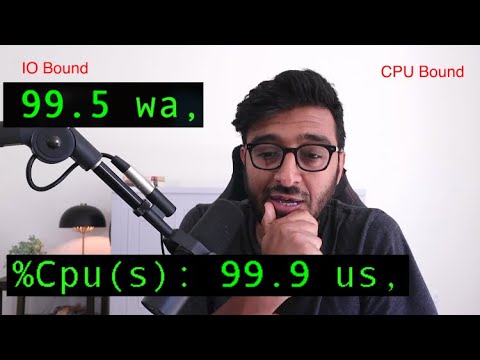
A significant portion of the course is dedicated to understanding workload types and their implications for system scalability. Students will explore two primary categories of workloads: I/O-bound and CPU-bound tasks. Using real-world examples, such as PostgreSQL for I/O-bound applications and custom C programs for CPU-intensive tasks, learners will analyze how different workloads affect system resources. The course emphasizes the importance of vertical scaling (adding more resources to a single machine) versus horizontal scaling (distributing workloads across multiple machines) and provides strategies for achieving cost-effective scalability. By leveraging Linux commands like top, students will gain insights into CPU metrics, memory usage, and system-level operations, enabling them to diagnose and optimize performance bottlenecks.
Throughout the course, students will engage in interactive experiments using Raspberry Pi devices, simulating multi-core environments to observe process behavior under varying conditions. These hands-on exercises will reinforce theoretical concepts and encourage creative problem-solving. By the end of the course, participants will have a solid grasp of Linux process management, workload optimization, and system monitoring techniques. Whether you're a beginner looking to understand the basics of operating systems or an experienced developer aiming to enhance your system administration skills, this course offers valuable insights and practical tools to help you succeed in managing modern computing environments.